
Last updated August 25, 2026
Free on-site gate assessment - hinges, posts, and your LiftMaster or Nice gate operator checked before anything is quoted
The assessment is free and the quote is the invoice.
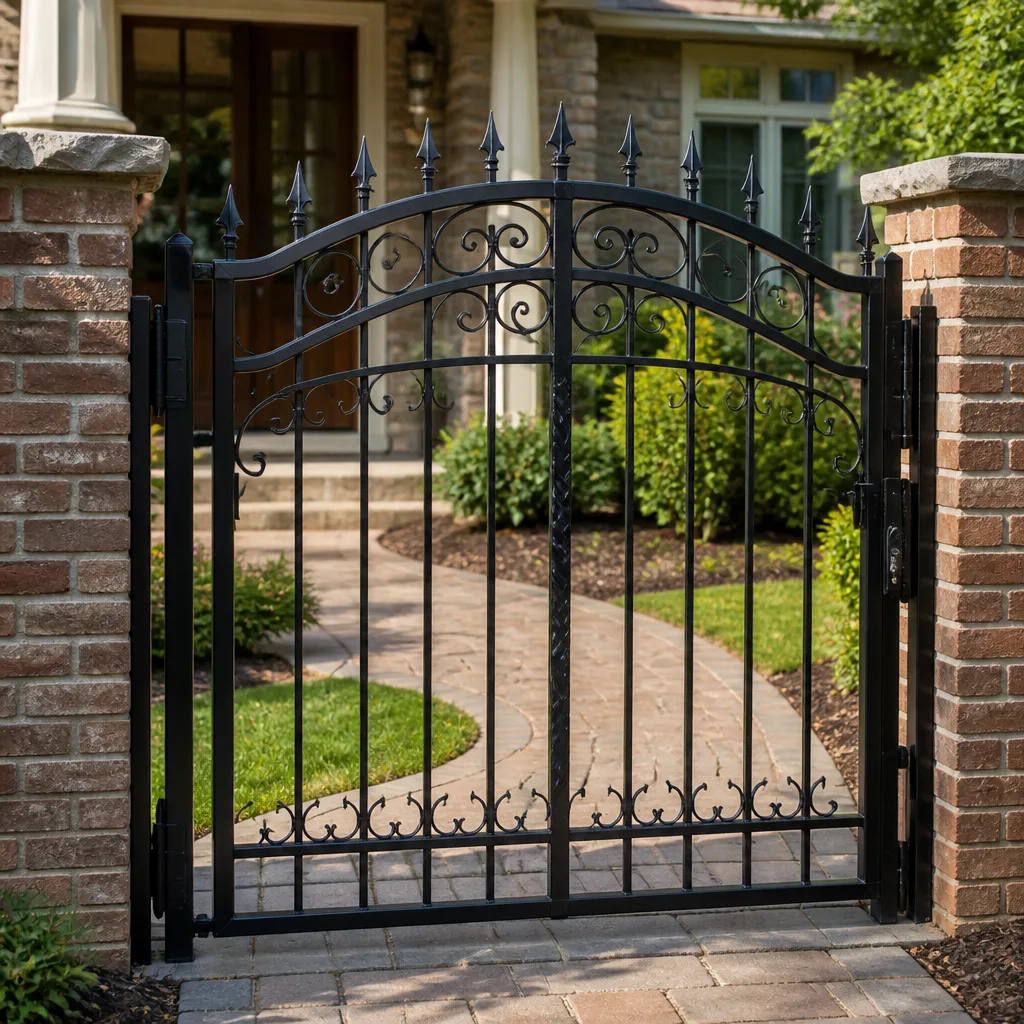
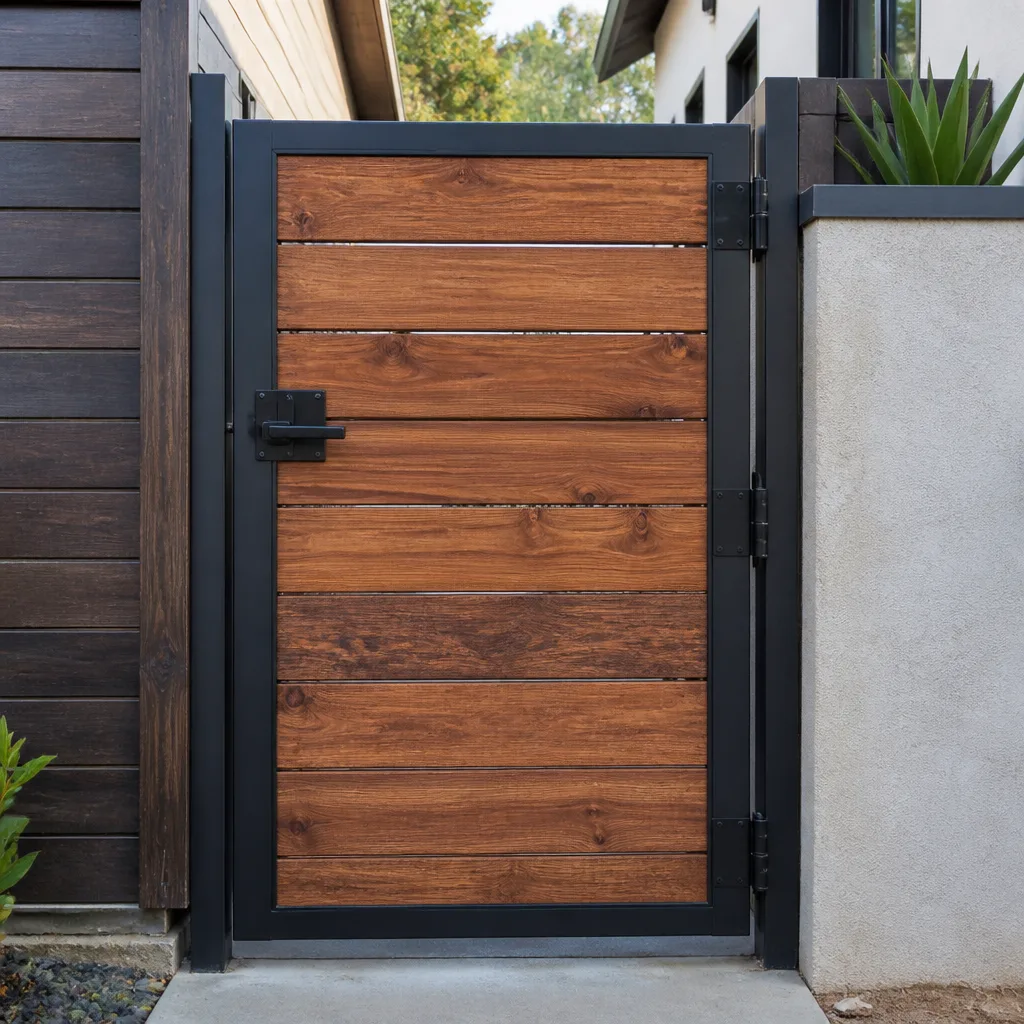
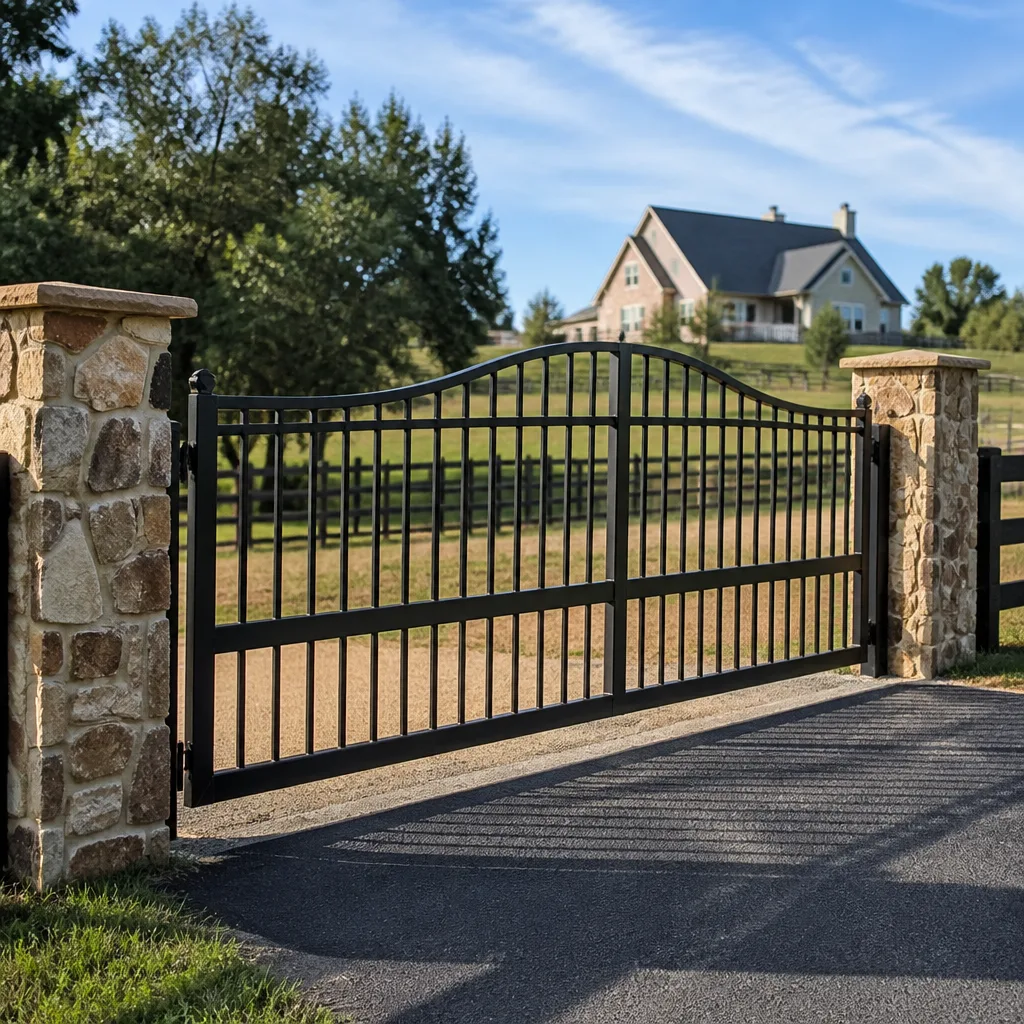
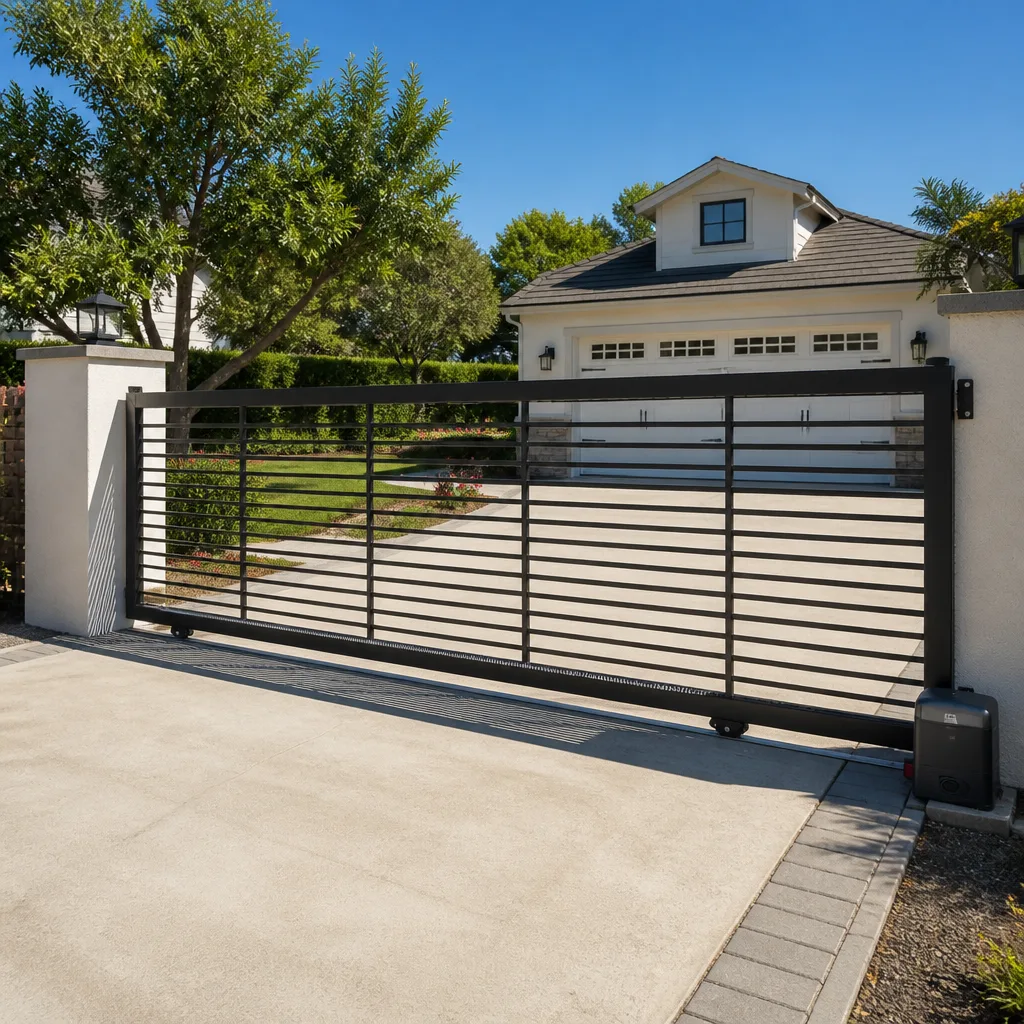
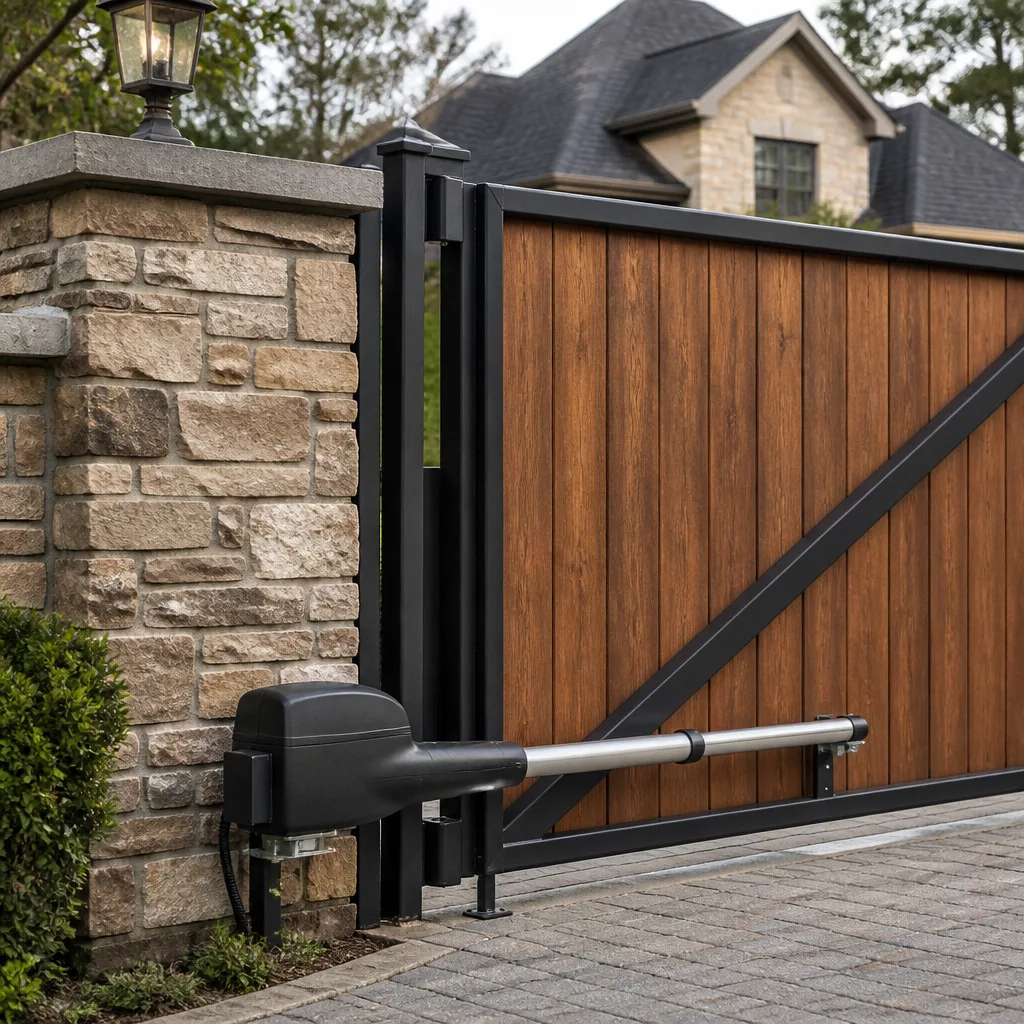
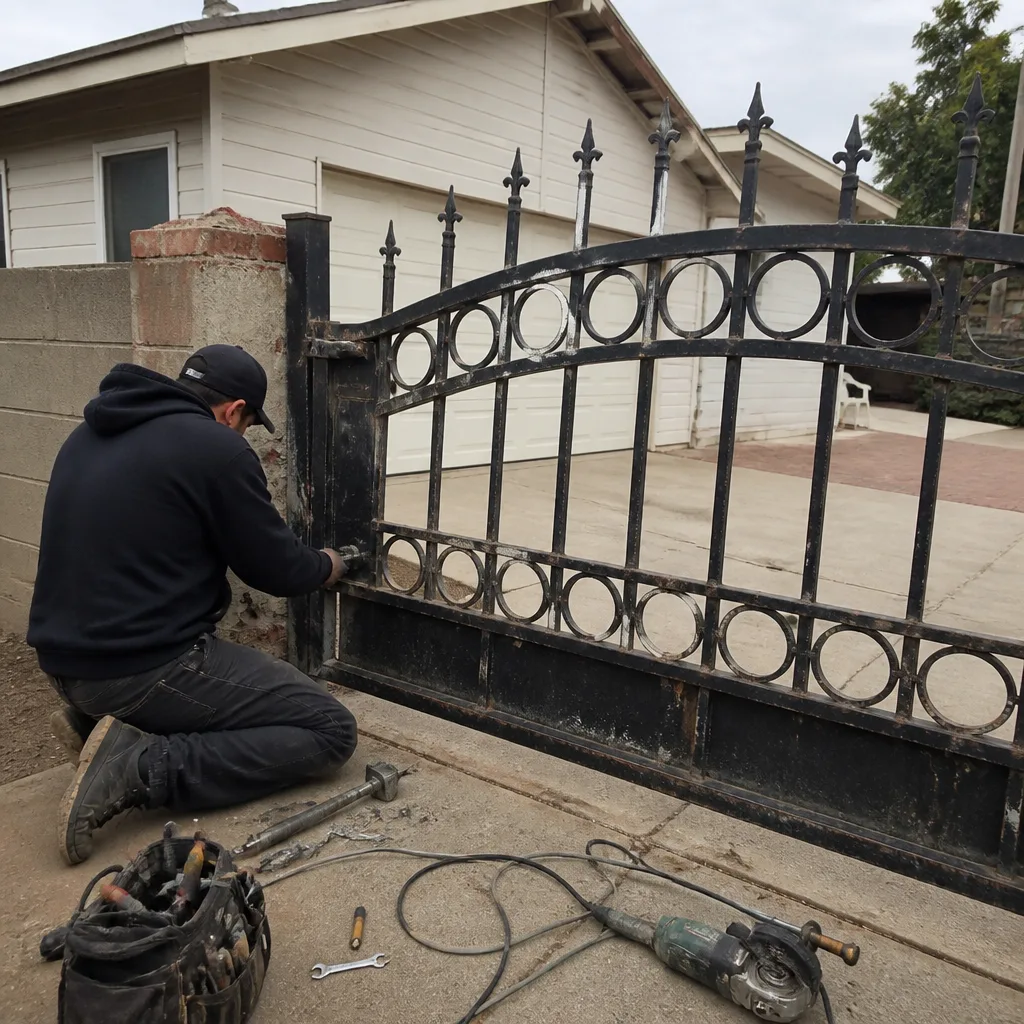 Before
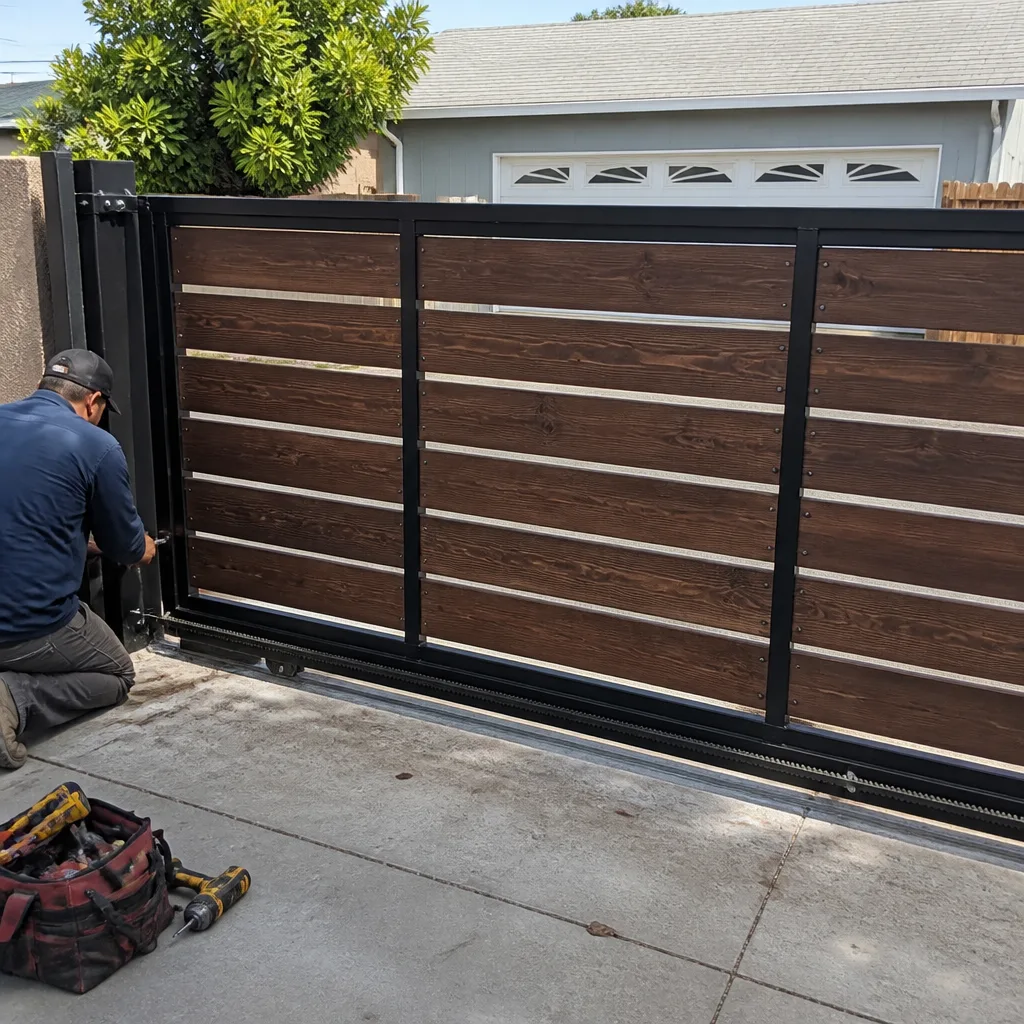 After
After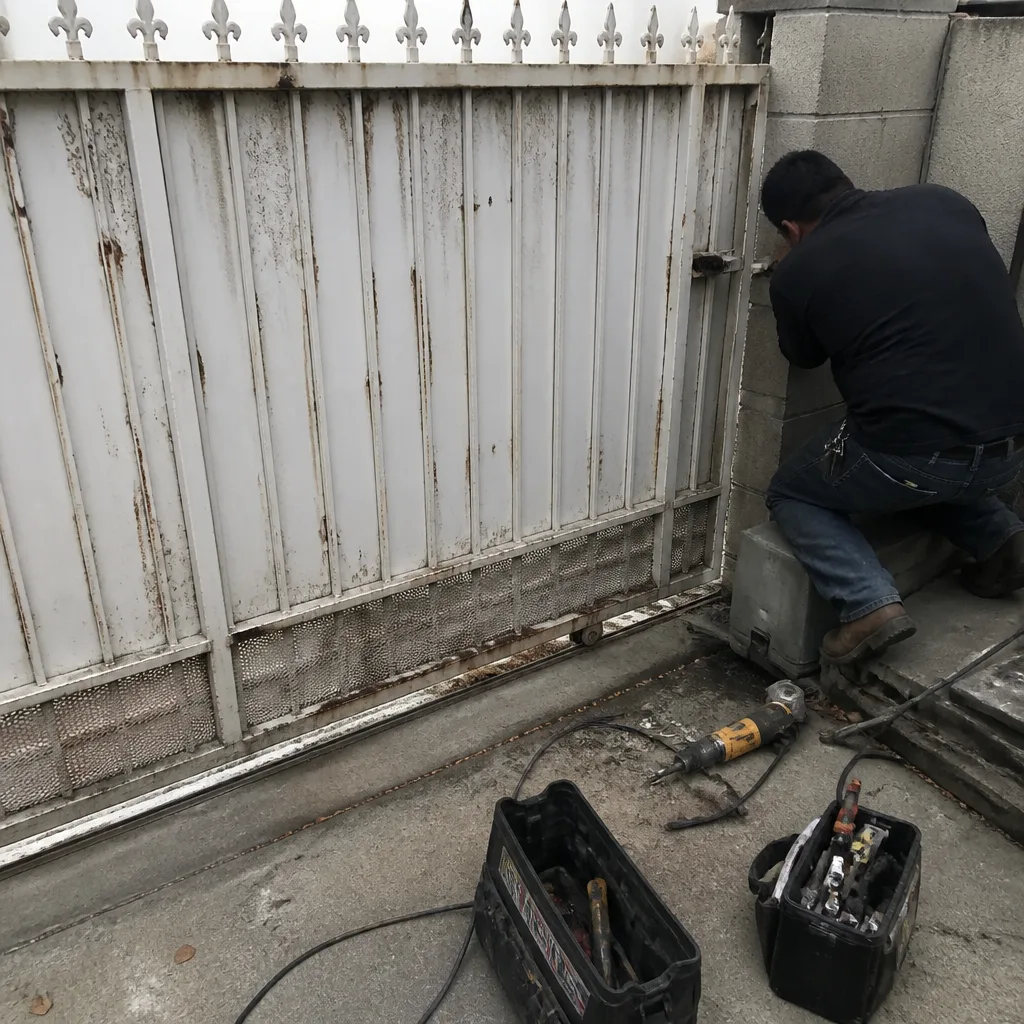 Before
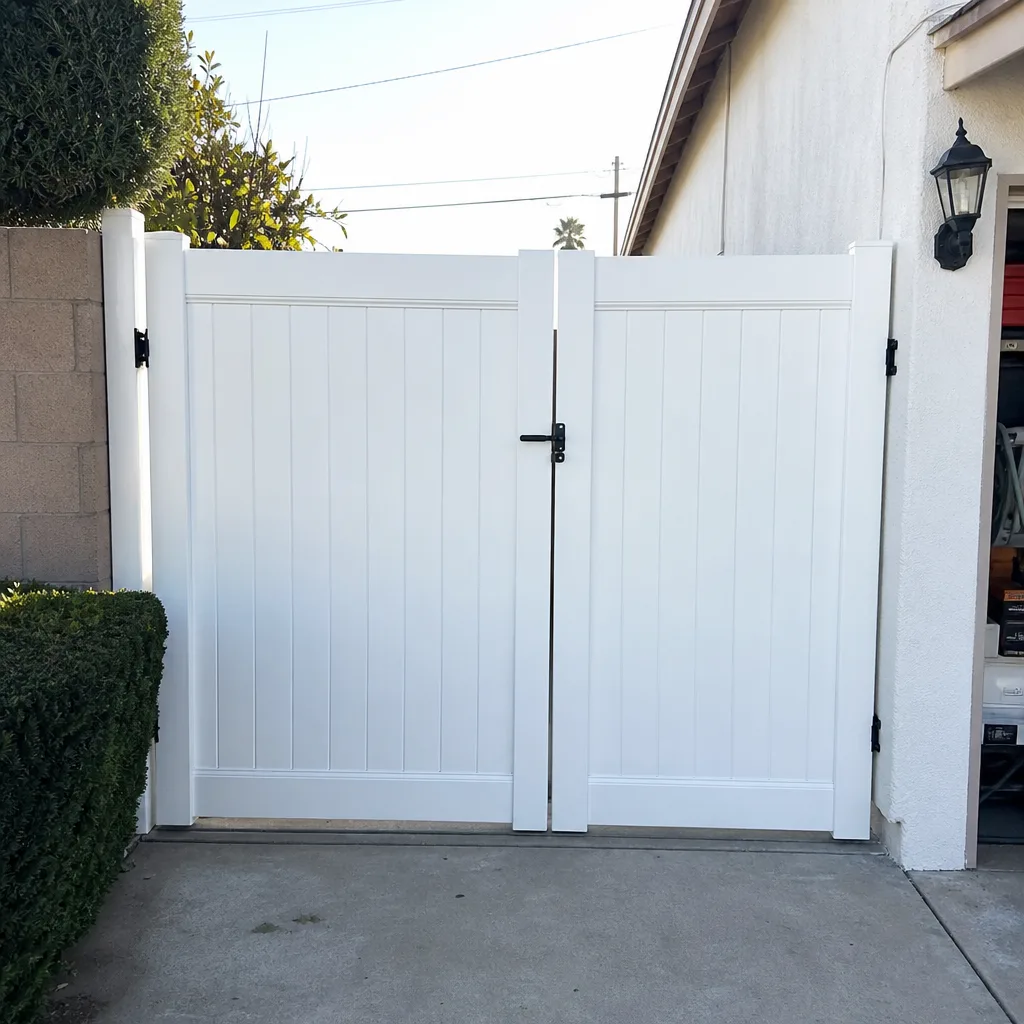 After
After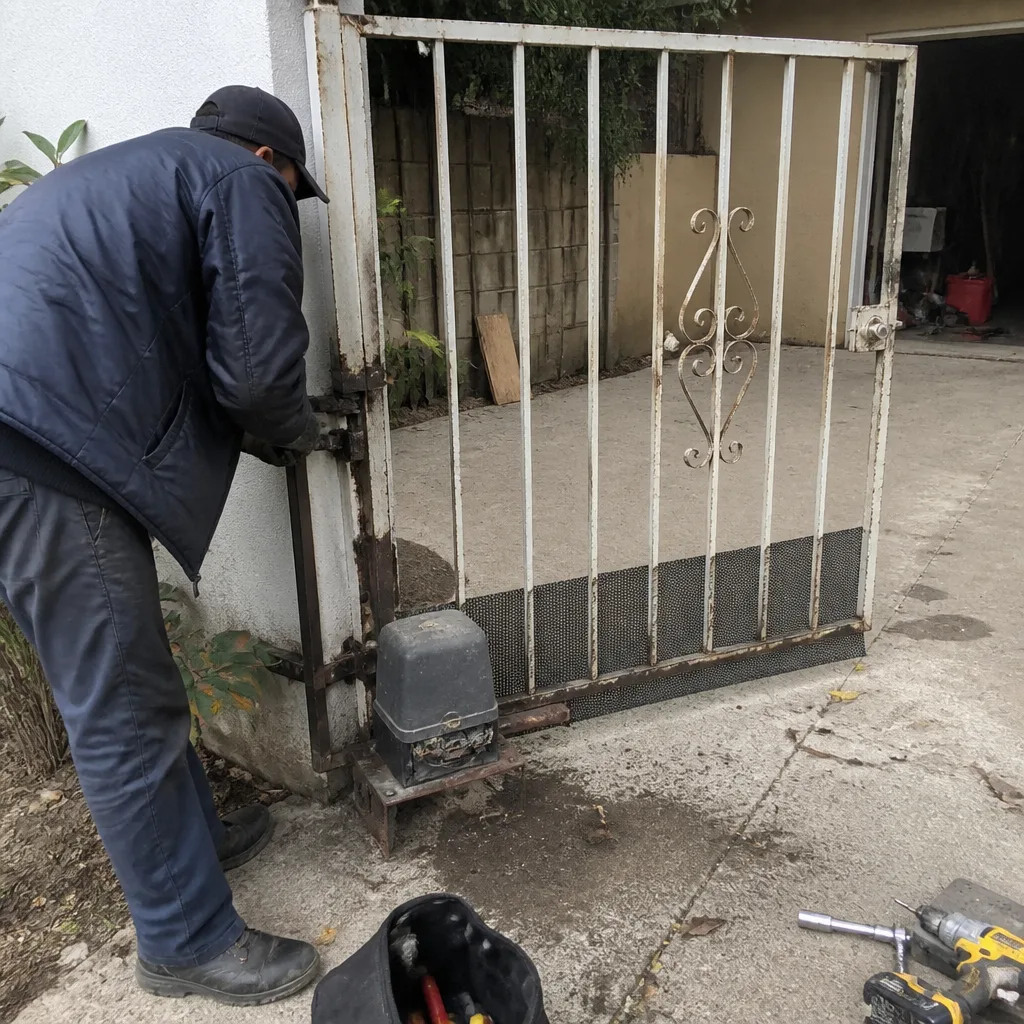 Before
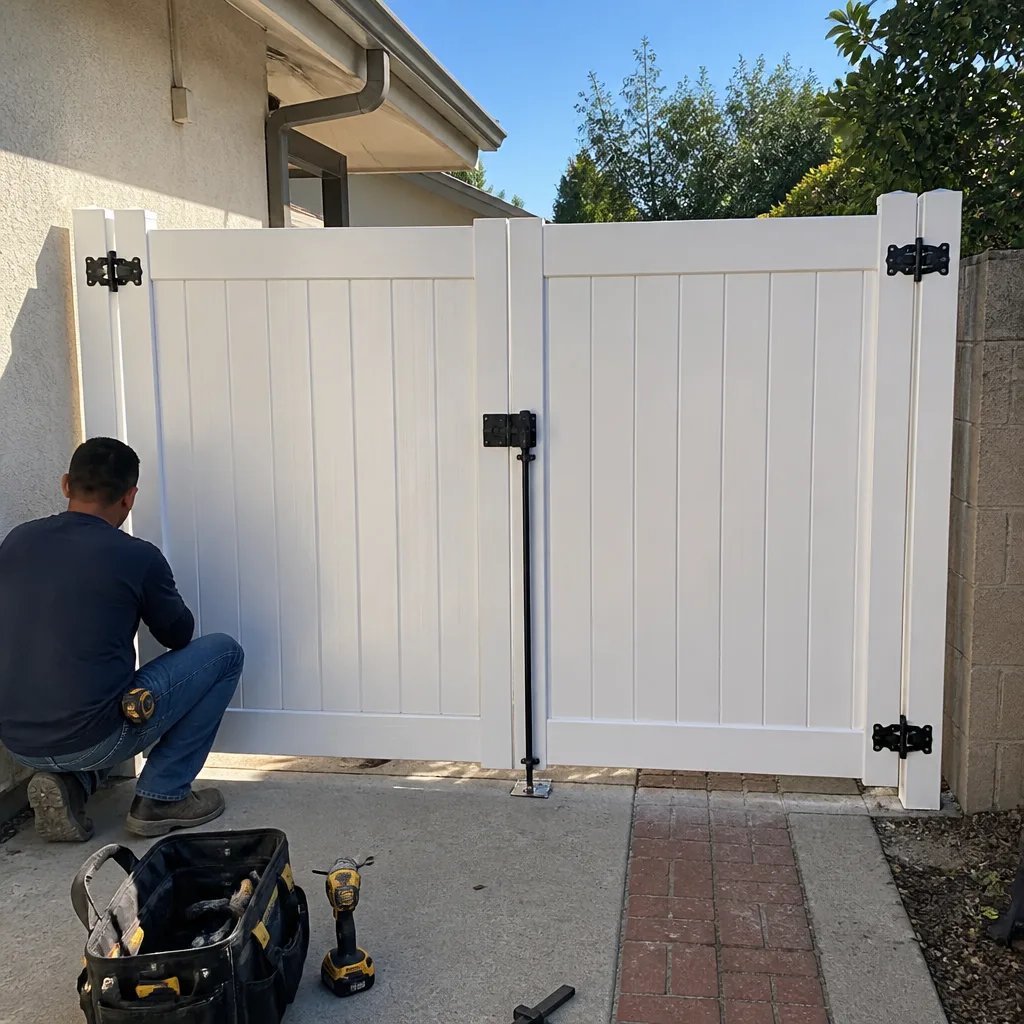 After
AfterGate Repair Permits, Codes & Inspections in CA: What You Need to Know
Most California homeowners discover the permit question at the worst possible moment: the gate has failed, the car is trapped in the driveway, and the repair technician mentions that the work might need city approval before anyone turns a wrench. Here’s the surprising part: that technician is usually right, and more Garden Grove homeowners are affected by gate permit rules than ever before. Since 2020, California’s automated gate safety standards have tightened considerably, and cities across Orange County now enforce them with real consequences. This guide explains what requires a permit, what must pass inspection, and how to keep your gate compliant without turning a simple repair into a month-long ordeal. We’ve spent 42 years doing gate work in Garden Grove, and we’ve watched the rules change enough times to know what homeowners actually need to understand.
Quick Answer
Most gate repairs in California do not require a permit when you are replacing existing components like hinges, wheels, opener motors, or circuit boards. Permit requirements typically apply to new gate installations, relocation of an existing gate, structural changes to posts or footings, and certain automated-gate safety upgrades. In Garden Grove, a basic repair that restores the gate to its original condition is usually permit-exempt, but if the work changes the gate’s footprint, height, or automation safety system, a permit and inspection are likely required.
Table of Contents
- Do Gate Repairs Require a Permit in California?
- Garden Grove-Specific Gate Code Rules
- California Automated Gate Safety Standards (UL 325 & ASTM F2200)
- When a Permit Is Required: New Installations and Modifications
- What Gate Inspections Actually Cover
- HOA and County Considerations for Gates
- Step-by-Step: The Garden Grove Gate Permit Process
- What Permits and Inspections Cost
Do Gate Repairs Require a Permit in California?
The short answer: most repairs do not, but the line between “repair” and “modification” is thinner than most homeowners realize, and crossing it without approval can cost more than the repair itself. California building code draws the distinction this way: if the work restores the gate to its original approved condition, it is a repair. If the work changes the gate’s structure, height, location, or automated safety features, it is a modification, and modifications trigger permit requirements.
In our experience in Garden Grove, we regularly replace slide gate rollers, swing gate hinges, opener motors, photo-eye sensors, and circuit boards without pulling a permit. These are component replacements on an existing, previously approved system. The city’s building department is not interested in whether you changed a Viking control board or swapped out a Ghost Controls arm actuator. They are interested in whether the gate still meets the safety standard it was originally approved under, and whether the work altered the structural components that hold the gate up.
Here is the practical breakdown we use with customers:
- No permit needed: replacing hinges, rollers, wheels, track, opener motor, control board, keypad, remote receiver, photo eyes, loop detectors, or welding a cracked weld back to original position.
- Permit likely needed: installing a brand-new gate where none existed, moving the gate to a new location, changing the gate height, adding a pedestrian gate alongside a vehicle gate, or converting a manual gate to an automated gate.
- Gray area: rebuilding a gate from scratch on existing posts, or replacing the gate leaf entirely with one of different weight or material. In Garden Grove, we tell customers to call the Building Division at (424) 395-4973 and ask before proceeding on these.
Garden Grove-Specific Gate Code Rules
Garden Grove enforces the California Building Standards Code (Title 24), which incorporates the California Residential Code and the California Electrical Code. The city’s Building Division is small but responsive, and in our experience, gate permit review in Garden Grove typically takes one to two weeks, not the month-plus we hear about from colleagues working in Los Angeles proper.
Garden Grove has specific fence and gate height limits that matter for front-yard driveway gates. In residential zones the city typically allows driveway gates up to six feet in height for side and rear yards, but front-yard gates are generally restricted to 42 inches if they are solid, or higher only if the design is at least 50 percent open, like decorative wrought iron with visible gaps. This is why most Garden Grove driveways we service have ornamental steel swing gates rather than solid wood or solid metal privacy gates at the curb line. The city wants clear sightlines for vehicles pulling onto the street, and a solid six-foot panel at the property line blocks visibility and violates the intent of the code even if the structure itself is sound.
Setback rules also play a role. In Garden Grove, an automated driveway gate must be set back far enough from the public right-of-way that a vehicle can pull fully off the street before waiting for the gate to open. If your gate opens outward toward the street, it generally cannot swing across the sidewalk or into the public right-of-way at any point in its arc. On narrow lots, this is often the reason homeowners replace an outward-swinging gate with a slide gate that runs on a track parallel to the driveway. We have done exactly that conversion on several homes near the Garden Grove Park area, where the front yard is shallow and a swing gate would never clear the sidewalk.
California Automated Gate Safety Standards (UL 325 & ASTM F2200)
Since 2001, automated gates in California have been required to meet Underwriters Laboratories standard UL 325, which governs automatic gate operator safety. The companion standard, ASTM F2200, sets construction requirements for the gates themselves. Both standards have been updated multiple times, most recently with significant revisions that took effect in 2019, and California enforces them through the state building code.
What this means in practical terms is that any automated gate in Garden Grove must have, at minimum:
- Photo-eye sensors or an equivalent non-contact sensor that reverses the gate if a person, child, or pet is in the path of travel. For slide gates, sensors must cover the full width of the gate opening. For swing gates, sensors protect the pinch points at the hinge post and the latch post.
- Contact-reverse edge sensors on gates that could trap a person against a rigid surface. This is mandatory on slide gates passing near a fixed wall or fence, and on swing gates that could close against a retaining wall.
- A warning placard mounted on both sides of the gate, stating that the gate is automatic and that children must be kept clear. The placard must meet specific size and wording requirements.
- A manual disconnect that allows the gate to be opened by hand in a power outage. This is non-negotiable for any automated gate, regardless of brand or age.
We service nine opener brands, and the safety requirements apply equally to all of them. A 1990s-era DoorKing slide gate operator that was installed before the photo-eye mandate does not get grandfathered in. The moment we are called to repair or service that opener, the gate must be brought up to current UL 325 standards, which usually means adding photo eyes, contact edges, and updated warning placards. In Garden Grove, we have had customers ask why their repair quote includes sensors they did not ask for. The answer is simple: we cannot legally return a gate to service without them, and the city can and does issue citations when safety equipment is missing or defeated.
When a Permit Is Required: New Installations and Modifications
A brand-new gate installation is a construction project under California law, and it triggers a city building permit in virtually every jurisdiction in the state, including Garden Grove. The permit process exists for two reasons: to verify that the gate structure is engineered for wind load and proper footing, and to verify that any automation meets the electrical and safety codes.
Here is what “new installation” means in Garden Grove:
- Installing a gate where no gate has ever existed, whether manual or automated.
- Replacing an entire gate system where the posts, footings, and gate leaf are all being replaced at once. If the scope of work involves a concrete pour for new gate posts, the city treats it as new construction.
- Converting a manual gate to an automated gate. Even if the gate itself stays, adding a motor, control wiring, and safety sensors changes the classification of the structure and requires electrical and safety review.
- Widening a driveway opening and installing a larger gate. This changes the gate’s dimensions and requires new structural calculations for the larger leaf.
For Garden Grove specifically, a permit is also required if the gate will be fed by a new electrical circuit run from the main panel to the gate location. The electrical portion of the work must be done by a licensed electrical contractor or be covered under a combined building and electrical permit with appropriate inspection sign-offs. When we handle gate installations in Garden Grove, we pull the necessary permits and coordinate with a licensed electrician for any new power runs. The homeowner pays exactly what the permit costs, and the work is inspected and signed off before we call the job complete.
What Gate Inspections Actually Cover
When a gate project does require a permit, the Garden Grove building inspector is not doing a walk-by glance. The inspection is specific, and failing it means a re-inspection fee and another week of delay. We have stood beside enough inspectors to know exactly what they check:
Footings and posts. The inspector verifies that the gate posts are set in concrete footings of adequate depth and diameter for the gate’s size and weight. In Garden Grove’s sandy loam soil, under-sized footings are a common point of failure. A heavy wrought iron gate on posts set in two feet of concrete will lean within a year. The inspector knows this and checks the plans against the actual pour.
Gate construction. For a manufactured gate, the inspector checks the ASTM F2200 compliance label. For a custom welded gate, the inspection focuses on structural welds, material gauge, and whether the design meets the open-view requirements for front-yard placement.
Automation and safety. This is the part inspectors are most strict about. They test the photo eyes, the contact-reverse edges, the warning placards, the manual disconnect, and the force settings on the opener. A gate that reverses too slowly or with too much force fails on the spot. In our experience, more Garden Grove gate inspections fail on opener force settings than on any other single item. That is why we set every opener we install or service to the manufacturer’s recommended force profile, then test it twice before the inspector arrives.
Electrical. The inspector verifies the power supply, conduit, grounding, and weatherproofing of the electrical components. If the gate opener is plugged into an extension cord, the inspection ends right there.
HOA and County Considerations for Gates
Garden Grove has a significant number of homes governed by homeowners associations, and HOAs often place their own gate restrictions on top of city code. The HOA approval process is separate from the city permit process, and failing to get HOA sign-off can mean a forced removal, even when the city permit was properly issued.
Common HOA gate rules we encounter in Garden Grove neighborhoods include:
- Approval required for any gate visible from the street, even if the city does not require a permit for the work.
- Material and color restrictions. Some HOAs require wrought iron with specific finishes. Others prohibit certain styles entirely.
- Height and design standards that may be stricter than city code. The city might allow a 42-inch front gate, but your HOA may cap it at 36 inches.
- Restrictions on gate automation in certain communities, particularly where nighttime noise is a concern. Slide gate motors and certain chain-drive openers can be loud enough to generate complaints from neighbors.
Yes, we have also worked on gates for homes in unincorporated Orange County pockets adjacent to Garden Grove, where Orange County Public Works applies county code instead of city code. The standards are similar, but the permitting route goes through the county, and the timelines can be longer. If you are not certain which jurisdiction applies to your address, we recommend checking your property tax statement or calling the Garden Grove Building Division directly.
Step-by-Step: The Garden Grove Gate Permit Process
If your project requires a permit, here is the sequence we follow, and the sequence you can follow on your own if you are managing the project:
- Determine the scope. Write down exactly what will be done: new gate leaf, new posts, new opener, new electrical run, changes to height or setback. If any of those items are on the list, you are likely in permit territory.
- Gather documentation. The city will ask for a site plan showing the gate location, setback from the property line, and clearance from the sidewalk and street. For an automated gate, they will ask for the gate operator specifications, including the UL 325 compliance information and the safety sensor plan.
- Submit the application. Garden Grove processes building permit applications through its Building Division. The permit fee varies by project valuation, and plan review typically requires one to two weeks for a standard gate project.
- Complete the work. The gate is built, installed, or repaired according to the approved plan. This is the stage where cutting corners shows up later, especially on footings and wiring.
- Schedule the inspection. Once the work is done, the city sends an inspector to verify compliance. Inspections in Garden Grove are usually scheduled within a few business days of the request.
- Receive the sign-off. The inspector approves the work, and the permit is closed. Keep the final approval paperwork. Homeowners who sell are routinely asked to produce permits and inspection records for gate and fence work.
One note from our own work: we have seen Garden Grove homeowners skip the permit on a new gate installation, complete the project, and then get flagged during an unrelated property inspection or when a neighbor files a complaint. The retroactive permit process is more expensive than the original permit, and the city can require the gate to be brought up to current code before final approval. Skipping the permit usually costs more, not less.
What Permits and Inspections Cost
Permit fees are the part of the conversation homeowners least expect. In Garden Grove, a permit for a simple gate installation on existing posts typically runs between $150 and $400 depending on project valuation, and an automated gate with a new electrical circuit can climb to $500 or more. Re-inspection fees, if the first inspection fails, are often in the $100 to $150 range per visit.
For context on the overall project costs we see in Garden Grove:
- Manual swing gate repair: $180 to $450, no permit in most cases.
- Slide gate roller and track replacement: $300 to $700, no permit in most cases.
- Opener motor replacement (existing automation): $500 to $1,200, no permit when the gate and safety system are unchanged.
- New automated gate installation: $3,500 to $8,500, permit required.
- Manual-to-automated conversion: $2,800 to $6,000, permit required.
Every job we quote includes a written price before any work begins, and the permit fee is itemized separately so the customer sees exactly what the city charges versus what the labor and materials cost. No surprises on the bill.
Common Mistakes to Avoid
- Skipping the permit on a new gate installation. The city can issue a stop-work order, require removal, or demand a retroactive permit that costs more than the original would have. In Garden Grove, complaints from neighbors trigger a high percentage of the enforcement actions we see.
- Reusing old footings for a heavier gate. A wrought iron gate on concrete posts sized for a lightweight wood gate will lean, sag, or crack the post over time. The inspector will catch this, or gravity will.
- Ignoring the photo-eye requirement on an older automated gate. Some homeowners disconnect photo eyes because they trigger too easily. That is a UL 325 violation and a liability risk if a child is injured. We will not restore power to a gate with missing or bypassed safety sensors.
- Installing a front-yard gate that blocks visibility. A solid gate over 42 inches at the front property line can draw a code enforcement notice even if no permit was required for the installation itself.
- Trying to run gate opener power from an extension cord or an undersized circuit. Gate openers draw significant current on startup, and an under-powered circuit trips breakers and burns out motors. The electrical code requires a dedicated circuit for automated gate equipment.
- Forgetting HOA approval. We have seen completed gate installations in Garden Grove get removed because the homeowner never submitted the design to the HOA. The city permit does not override the HOA covenant if the HOA has authority over exterior changes.
- Hiring a contractor who does not understand UL 325. A general handyman might install a gate that looks fine and fails inspection on safety grounds. The fix often costs more than the original job. A gate specialist works with these standards every day.
When to Call a Professional
Some gate work is safe to handle yourself: lubricating hinges, tightening fasteners, reprogramming a remote, or replacing a keypad battery. But any repair that involves the gate’s structural welds, concrete posts, high-tension springs, or the automation system’s electrical components deserves a trained professional. A sliding gate under spring tension stores enough energy to sever a finger or crush a hand if the spring lets go during disassembly. An automated gate opener wired incorrectly can start on its own or fail to stop when it should. Working on a gate with the safety sensors bypassed is how people get hurt. We do not offer DIY instructions for spring replacement, opener force adjustments, or photo-eye wiring because those are the exact jobs where a mistake becomes an injury. Ironworks Gate Co. home is the right first step. Ironworks Gate Co. offers free estimates in Garden Grove. Call (424) 395-4973 and a live person will answer, any hour, any day.
Frequently Asked Questions
No permit is required for most repairs that restore an existing gate to its original condition, including hinge replacement, roller and track replacement, opener motor replacement, and circuit board swaps. A permit is required when the repair changes the gate’s structure, height, location, or automation safety system. Call the Garden Grove Building Division or Ironworks Gate Co. at (424) 395-4973 if you are not sure which category your job falls into.
Gate permit fees in Garden Grove typically range from $150 to $500 depending on the project’s value and whether new electrical work is included. Re-inspection fees run $100 to $150 if the first inspection fails. Ironworks Gate Co. itemizes permit fees separately on every written estimate, so the cost is clear before any work starts.
UL 325 is the national safety standard for automatic gate operators, and California enforces it through the state building code. It requires photo-eye sensors, contact-reverse edges, warning placards, and a manual disconnect on every automated gate. Any gate we repair or service is brought up to current UL 325 standards before we restore power.
No. Converting a manual gate to an automated gate is classified as a modification under California building code and requires a building permit with electrical review. The permit covers the new electrical circuit, the gate operator installation, and the safety sensor system. We handle the permit paperwork for Garden Grove conversions.
The inspector issues a correction list, and the work must be brought into compliance before re-inspection. Common failure points are undersized footings, missing or misaligned photo eyes, opener force settings that are too high, and missing warning placards. Each re-inspection carries a fee. We test every gate against the inspection checklist before the inspector arrives, which is why few of our installations fail on the first pass.
Yes. If your home is governed by a homeowners association, the HOA’s architectural review process applies to any gate visible from the street, even when the city does not require a permit. HOA requirements may be stricter than city code on height, materials, and gate style. Check your CC&Rs before starting any gate project.
The Bottom Line
Most California gate repairs are permit-exempt, but the moment the work changes the structure, height, location, or automation system, Garden Grove treats it as a modification and requires city approval. The safety standards that apply to automated gates, UL 325 and ASTM F2200, are not optional, and a gate without functioning photo eyes and contact edges is both a code violation and a real danger to children and pets. The permit process is straightforward when it is followed correctly, and skipping it costs more in the long run. Do the repair when it is a repair, pull the permit when it is a project, and keep the inspection paperwork once the job is signed off. If you are unsure which category your gate falls into, call Ironworks Gate Co. at (424) 395-4973 for a free estimate. A live person will answer, and we will tell you straight what needs a permit and what does not. Done right, and backed in writing.
Written by Victor Salinas, Owner at Ironworks Gate Co., serving Garden Grove since 2013.