
Last updated August 25, 2026
Free on-site gate assessment - hinges, posts, and your LiftMaster or Nice gate operator checked before anything is quoted
The assessment is free and the quote is the invoice.
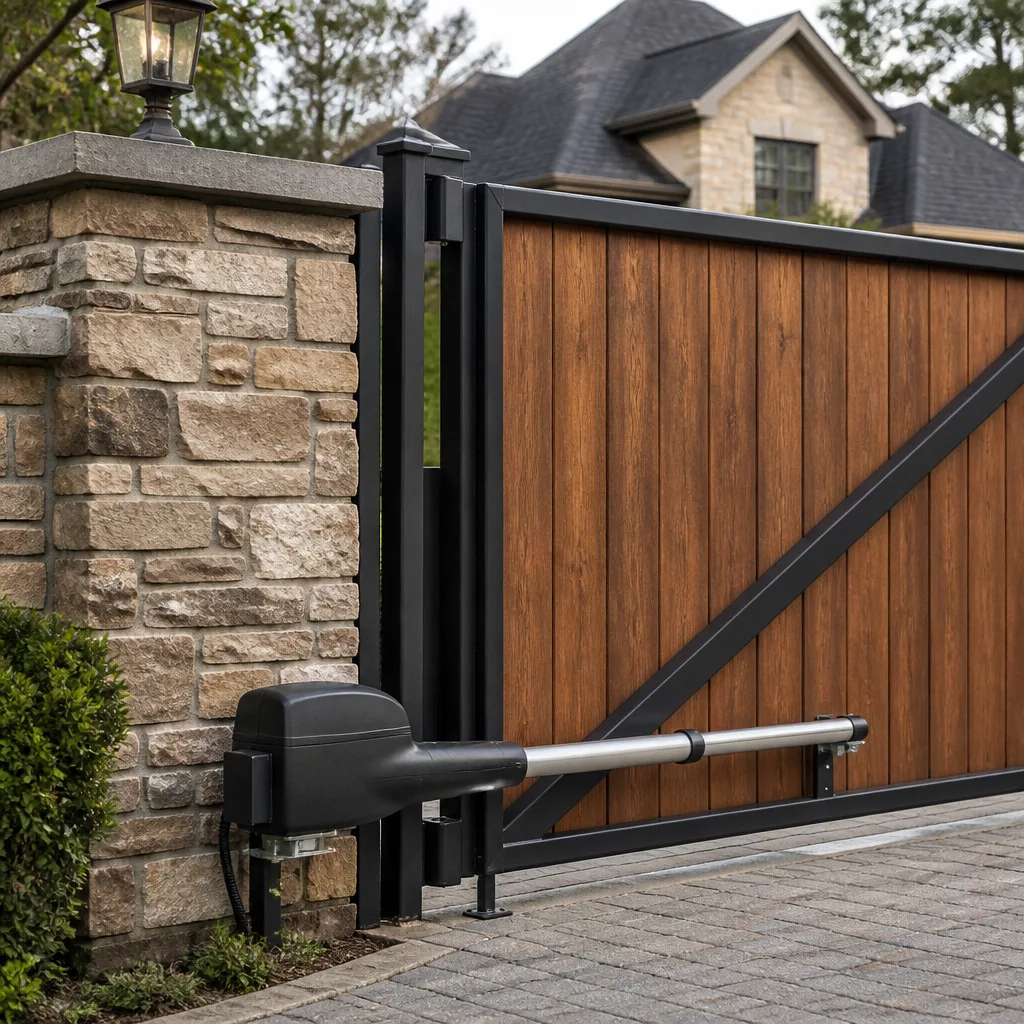
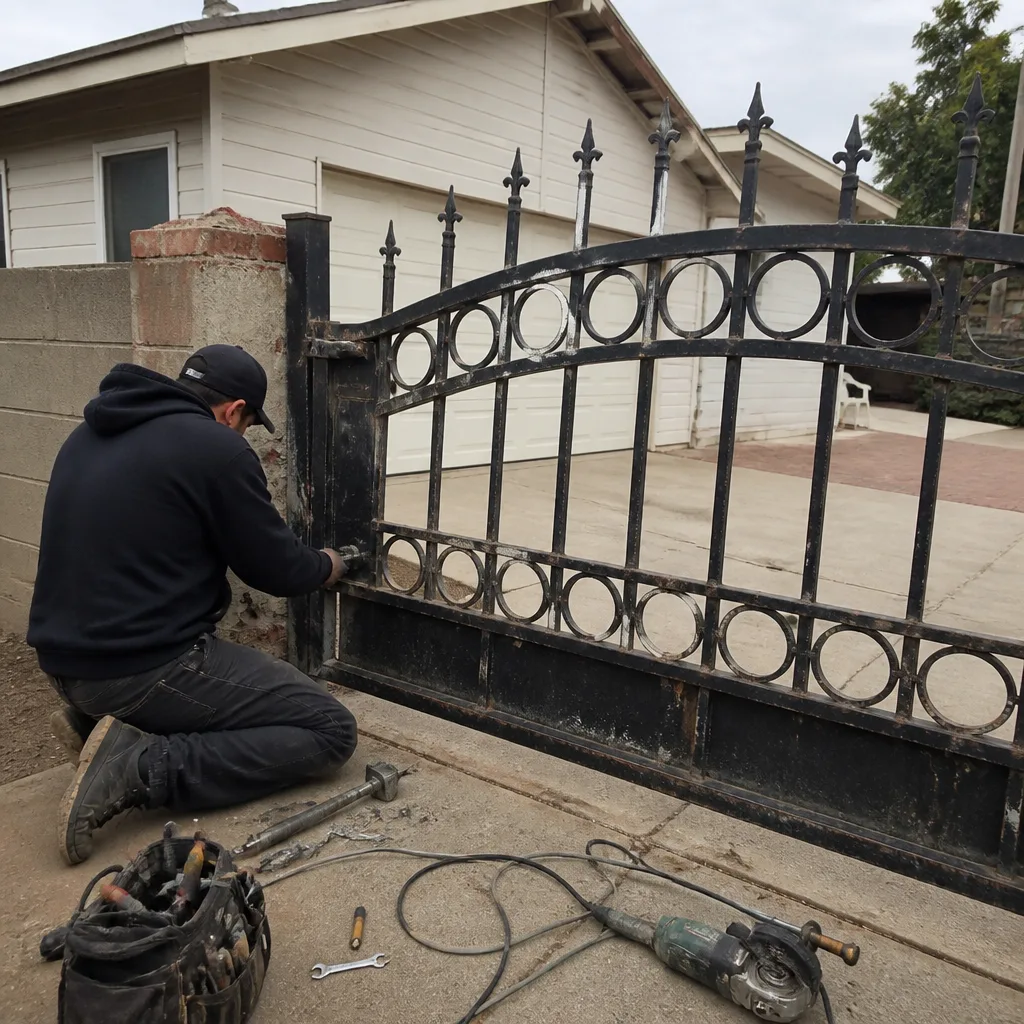 Before
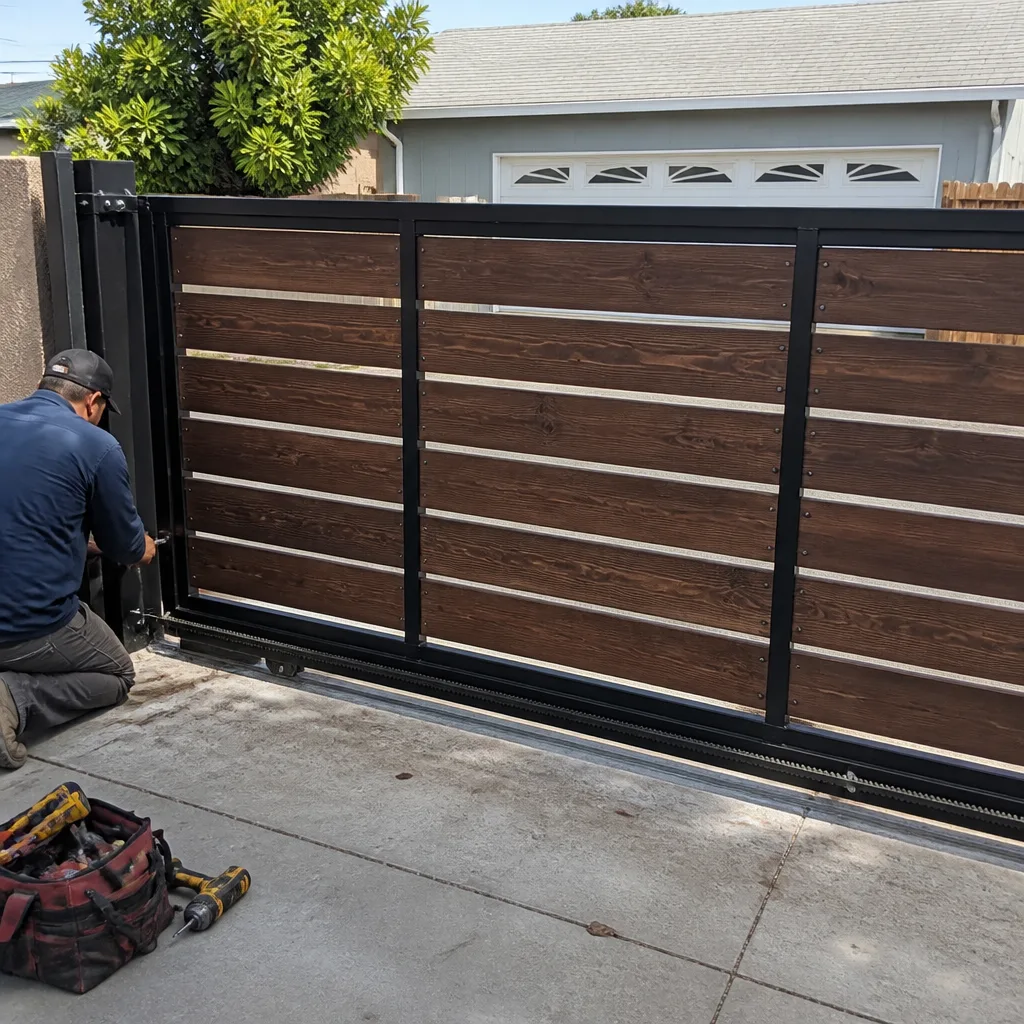 After
After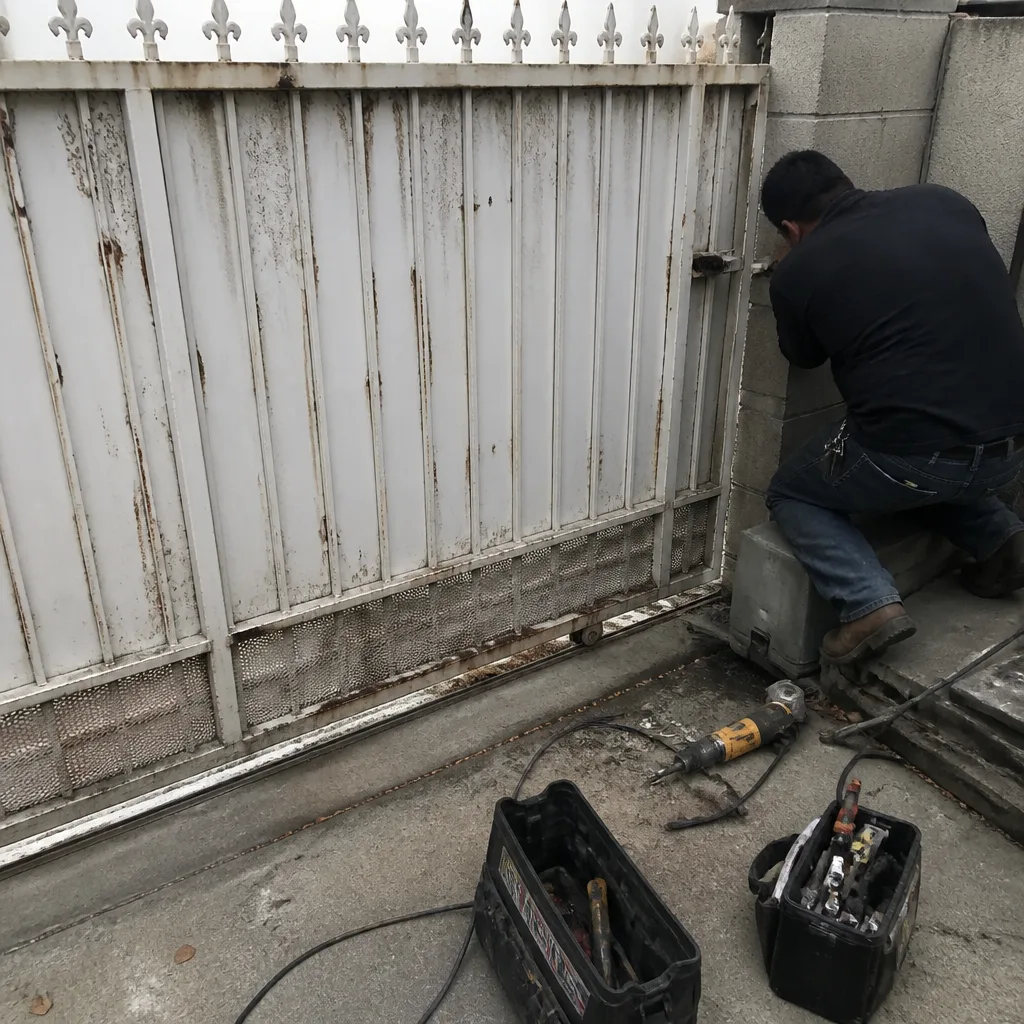 Before
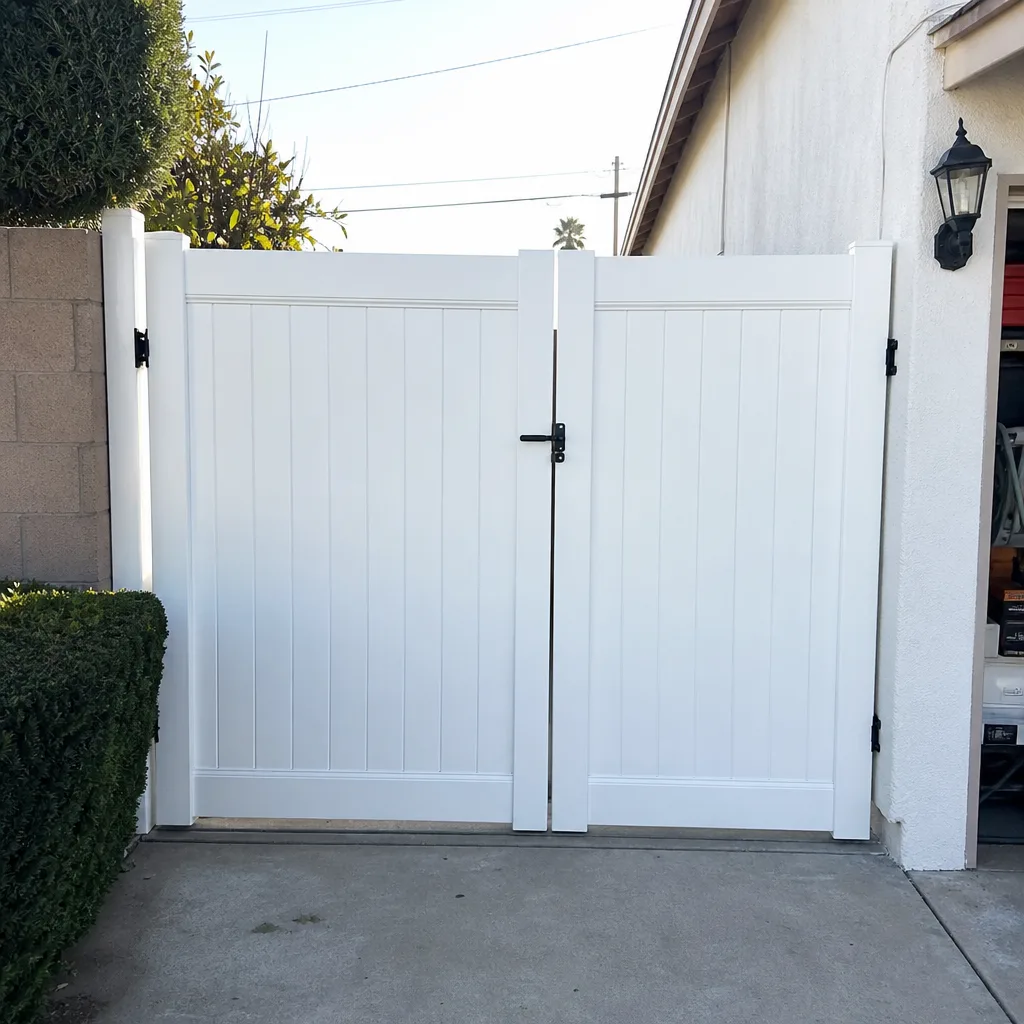 After
After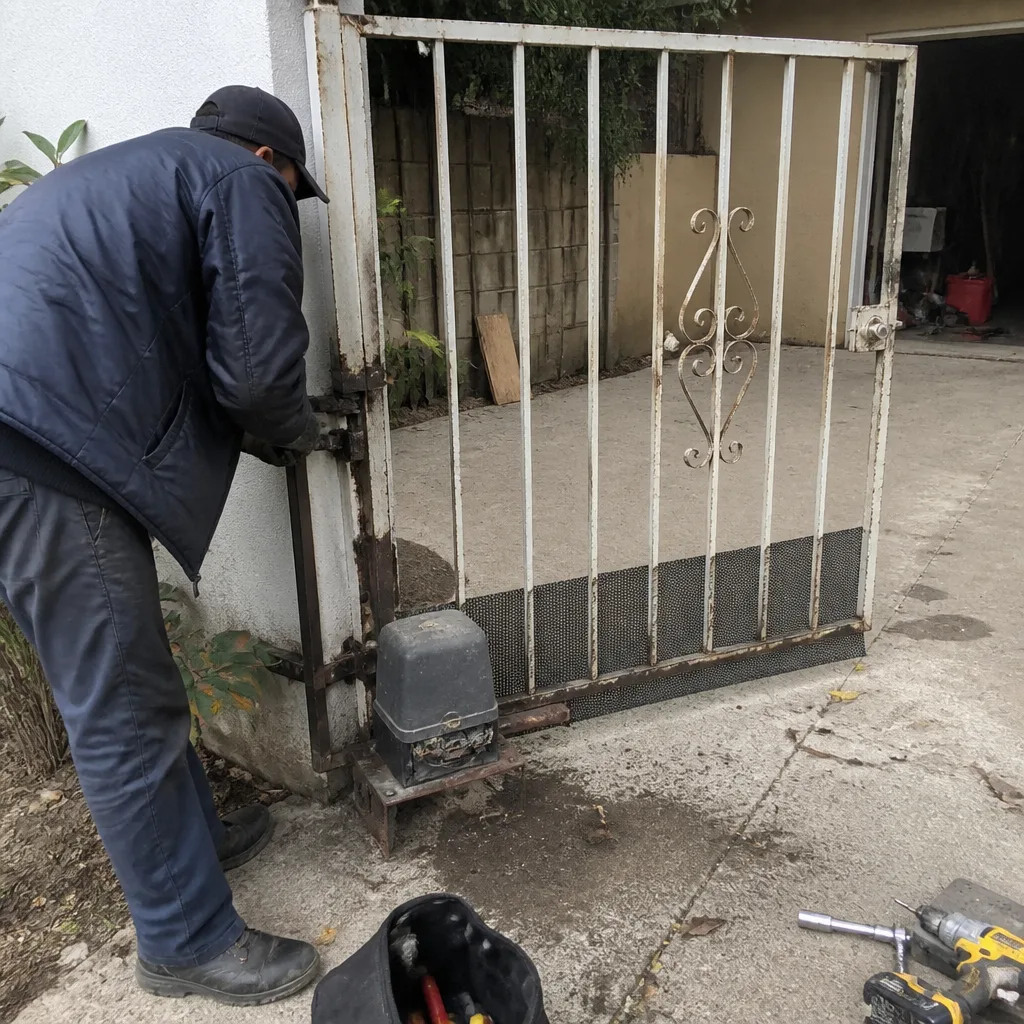 Before
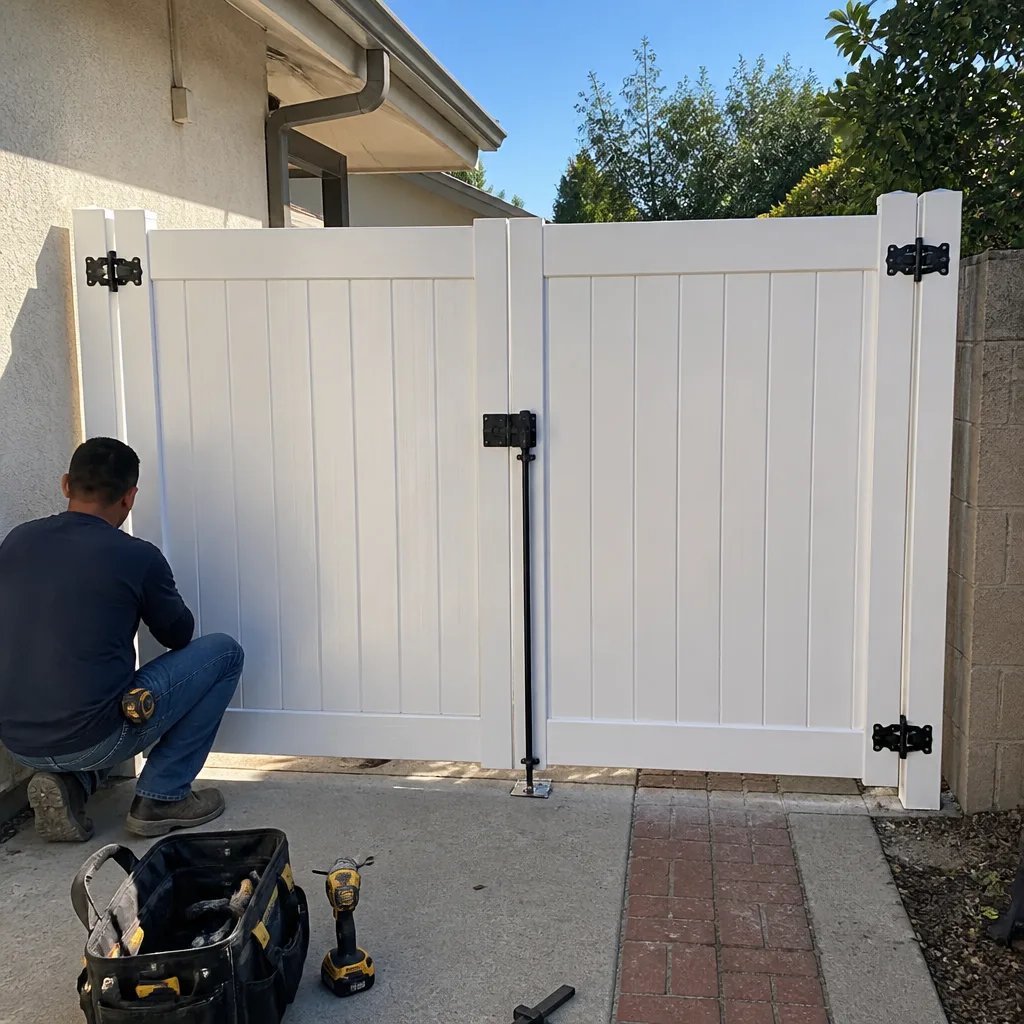 After
AfterThe Complete Guide to Gate Repair in Garden Grove
Most gate failures in Garden Grove share the same root cause: neglect, not age. A gate is the hardest-working mechanical system on a property, cycling thousands of times a year through heat, Santa Ana winds, and morning fog, yet homeowners rarely think about it until the day it refuses to open. This guide walks through how gates fail, what repairs actually cost in this market, which problems are urgent and which can wait, and how to tell when a repair is worth doing versus replacing the gate entirely. We’ve repaired thousands of gates in Garden Grove over the last 42 years, and the patterns don’t change much.
Quick Answer
Gate repair in Garden Grove typically costs between $180 and $480 for common fixes like hinge replacement, sensor alignment, or opener motor service, while full automation replacement on a heavy iron driveway gate runs $1,800 to $4,200. Most mechanical repairs are completed within a single visit when the technician arrives with the right parts. The most common root causes here are rust from coastal moisture, failing capacitors from heat, and misaligned safety sensors from shifting concrete.
Table of Contents
- Common Gate Problems in Garden Grove
- How Much Does Gate Repair Cost in Garden Grove?
- Gate Opener and Motor Repair: What Actually Fails
- Gate Hinges, Welds, and Steel Repairs
- Repair vs. Replacement: How to Decide
- Safety Sensors and Photo Eyes: What They Do and Why They Fail
- Seasonal Maintenance That Prevents Most Repairs
- Common Mistakes to Avoid
- When to Call a Professional
- Frequently Asked Questions
Common Gate Problems in Garden Grove
Gates in Garden Grove fail in predictable patterns. We see the same five or six issues week after week across Westminster, Stanton, and the neighborhoods east of Beach Boulevard, because the climate and soil conditions here treat metal and electronics the same way every year.
The soil in much of Garden Grove is clay-heavy, which expands and contracts with moisture. This movement shifts gate posts by fractions of an inch over time. A post that has moved half an inch changes the gate’s swing geometry, which then throws off the opener’s limit settings and sensor alignment. What appears to be an electrical problem is often a concrete problem underneath it.
The five failures we encounter on most Garden Grove service calls:
- Hinge wear and sag: Heavy iron gates weighing 400 pounds or more eventually chew through standard hinges. The gate drags at the latch side or scrapes the driveway.
- Opener motor and capacitor failure: The old-style AC motors and their capacitors degrade faster in sustained heat. Garden Grove regularly sees summer temps in the 90s, and a capacitor sitting in a sealed metal box on a black asphalt driveway can hit 130 degrees.
- Safety sensor misalignment: Photo eyes lose alignment from vibration, wind, or incidental bumps from cars. The gate refuses to close, or reverses mid-cycle.
- Weld fractures: Wrought iron and steel gates flex thousands of times per year. Weld joints near the hinge side crack over time, especially where the gate hangs heavy.
- Keypad and intercom failures: Sun exposure bakes the keypad housing, and moisture intrusion from morning fog and rain corrodes internal contacts.
What’s important to understand is that these failures compound. A sagging gate accelerates hinge wear. A misaligned sensor forces the operator to work against resistance, which shortens motor life. Catching the first failure early usually prevents the second and third.
How Much Does Gate Repair Cost in Garden Grove?
Gate repair in Garden Grove ranges from under $100 for a simple capacitor replacement to over $4,000 for a complete automation system replacement on a heavy sliding gate. The numbers below reflect what we quote in this market, including dispatch, labor, and parts. Prices are quoted and agreed to before any work starts, so there are no surprises on the invoice.
The pricing table below is based on the most frequent repair jobs we perform in Garden Grove. Use it as a planning tool, not a fixed quote. The actual cost depends on gate width, weight, opener brand, and what else we find during diagnosis.
| Repair Type | Typical Cost Range | Time on Site |
|---|---|---|
| Capacitor replacement | $95-$180 | 30-60 min |
| Photo eye / sensor realignment | $120-$200 | 45-90 min |
| Hinge replacement (standard gate) | $180-$340 | 1-2 hrs |
| Weld repair, rust grinding, repaint | $220-$450 | 2-3 hrs |
| Keypad replacement and wiring | $240-$420 | 1-2 hrs |
| Opener arm or limit switch repair | $260-$480 | 1.5-2.5 hrs |
| Full operator replacement (single gate) | $1,500-$2,800 | 3-5 hrs |
| Full automation replacement (sliding/dual) | $1,800-$4,200 | 4-8 hrs |
One thing worth stating clearly: the lowest quote in Garden Grove is rarely the lowest final bill. A repair that doesn’t address the root cause fails again in six months, and now you’re paying twice. We repair gates the way we would on our own homes, which is why every job is protected by our 90-Day Done Right Promise. If it isn’t right, we come back and make it right. No paperwork, no arguing.
We also offer a $50 discount on any repair over $250, and a free second opinion on any written estimate. If another company has quoted you a repair in Garden Grove and you want a straight answer on whether it’s fair and complete, call us.
Gate Opener and Motor Repair: What Actually Fails
A gate opener is a motor, a gear train, a control board, and a set of safety circuits. When the gate stops moving, most homeowners assume the motor is dead. In reality, the motor is the survivor in most systems. The control board, the capacitor, or the limit switches fail long before the motor itself gives out.
The three failure points we see most often in Garden Grove:
- The capacitor. On AC-powered openers, the starting capacitor stores the voltage spike needed to get the gate moving from a dead stop. Heat kills capacitors. A gate opener box mounted on a concrete pillar in the Garden Grove summer sun can cook a capacitor in three to five years.
- The control board. Power surges from Southern California Edison outages and brownouts damage boards. Ants are another common culprit. Argentine ants, which are everywhere in Orange County, are drawn to the warmth and electrical field of control boards. They nest inside, short out the traces, and kill the board.
- The limit switches. These tell the opener when the gate has reached fully open or fully closed. Vibration, dirt, and repeated cycling wear them out or knock them out of adjustment. The gate slams at the end of travel or stops partway.
When we diagnose an opener problem, we test in sequence: power to the unit, capacitor health, board function, limit switch response, then motor draw. This is why we carry parts for nine major automation brands on our trucks: LiftMaster, FAAC, BFT, Linear, Viking, Ghost Controls, DoorKing, Elite, and Mighty Mule. The correct fix happens on the first visit because we’re not ordering parts and hoping they arrive.
Opener repair is not a safe DIY project. These systems run on 110-volt or 220-volt supply lines, and capacitor discharge can deliver a serious shock even after the unit is unplugged. If the gate opener is hot, humming, or arcing, leave it alone and call a professional.
Gate Hinges, Welds, and Steel Repairs
Hinges are the most underappreciated part of any gate. A 14-foot iron driveway gate in Garden Grove can weigh 500 to 800 pounds. That weight hangs on two or three hinge points every day, year after year, through heat that expands the metal and fog that rusts it from the inside out.
Steel and iron gates in Garden Grove face a specific corrosion pattern. The morning marine layer rolls in from the coast and condenses on the metal before the day heats up. That moisture sits in the hinge barrels, the weld joints, and any place the paint has chipped. Over years, the rust expands and seizes the hinge or cracks the weld.
Our repair approach is straightforward:
- Assess the load. If a gate is sagging, we find the worn hinge before we do anything else.
- Lift and support the gate with a jack. No one works under a suspended gate.
- Replace the hinge with a rated unit matched to the gate’s weight class. Hinges have load ratings, and undersized replacements fail again within a year.
- Weld repair any cracked joints, grind the rust back to clean metal, and repaint the repaired area with rust-inhibiting primer and enamel.
- Realign the gate, check the swing arc, and re-test the opener’s limit settings.
A gate that has sagged for a year has often worn its hinges unevenly, and the fix is not simply lifting it back. That’s why we’d rather repair the steel once, fully, than send a technician out every six months to patch the same failed weld.
Repair vs. Replacement: How to Decide
This is the question every Garden Grove homeowner faces at some point. The answer depends on three factors: the condition of the gate’s structure, the health of the automation system, and what the gate is worth to you.
Here’s the honest, executable framework:
- Repair makes sense when: the gate frame is straight, the hinges are serviceable, and the opener is under 10 years old. Most steel and iron gates in Garden Grove can be repaired and repainted for under $800, which is almost always cheaper than replacement.
- Replacement makes sense when: the gate is rusted through at the joints, the frame is bowed beyond straightening, or the cost of repairing rust and broken welds exceeds 60% of a new gate. A gate that’s snapped at the hinge side or has rot in half its vertical members is done.
- Split the difference: Sometimes the gate is fine but the opener is obsolete. If the opener is 20 years old and parts are discontinued, we replace the operator and reuse the existing gate. Common on Viking and DoorKing systems where the gate itself was built better than the electronics that drive it.
We never recommend a replacement to make a sale. Replacement is more work for us and more cost for you. The gate you have, if it’s structurally sound, is worth keeping. Steel that was properly fabricated in the 1980s is often better material than what’s being produced today.
Safety Sensors and Photo Eyes: What They Do and Why They Fail
Every automated gate installed in Garden Grove since the 1990s has safety photo eyes mounted near the gate’s path. Their job is simple: if something crosses the beam while the gate is closing, the gate stops and reverses. The federal UL 325 standard requires it, and the city enforces it through building inspection when gates are permitted.
The photo eye is a transmitter and a receiver. They must line up exactly. When they don’t, the control board reads the beam as broken, and the gate refuses to close, or it closes partway and reverses. This is the most common service call we make in Garden Grove: a gate that beeps but won’t close, and the cause is a photo eye knocked out of alignment by a passing car, a lawn mower, or simple ground settling.
The fix sequence:
- Confirm the photo eyes are powered and clean. Dust, spider webs, and sprinkler overspray are common in Garden Grove yards.
- Realign the beam using the indicator lights on the eyes or a voltmeter read at the board.
- If alignment fails, check the wiring for breaks or corrosion. Underground wire in clay soil degrades over time.
- Replace the sensor if it’s dead. A replacement pair costs $80 to $150 before labor.
Safety sensors are not optional equipment. Do not disable or bypass them to get the gate working. That’s a code violation and a genuine hazard, especially on properties with children or pets. A gate that closes on a person causes serious injury.
Seasonal Maintenance That Prevents Most Repairs
Gates in Garden Grove fail on two schedules: the summer heat cycle and the winter rain cycle. A seasonal inspection addressed to each prevents most of the failures we’ve covered in this guide.
The maintenance routine we perform on every service visit, and recommend to owners looking to protect their gate between calls:
- Lube the hinges and rollers every six months. Use a heavy oil or white lithium grease, not WD-40. WD-40 displaces moisture but doesn’t lubricate under load.
- Check the post footings for cracks or movement. Clay soil movement shows up first as a hairline crack in the concrete around the post.
- Test the safety sensors. Wave an arm through the beam while the gate is closing half-speed. It should stop and reverse immediately.
- Inspect the keypad and control box seals. Sun and fog dry out the gaskets, and water gets in. Replace cracked gaskets before they leak.
- Check the gate’s balance. Manually swing the gate open to 45 degrees and let it go. If it moves on its own, the hinges are worn or the gate is hanging out of plumb.
We offer an $89 seasonal tune-up in Garden Grove that covers all of the above, plus a full cycle test and limit adjustment on the opener. It takes about an hour, and it catches the slow failures before they strand you with a closed gate at 7 a.m. on a workday.
Common Mistakes to Avoid
- Ignoring the gate until it stops opening. A gate that closes a quarter-inch lower each month is telling you something. By the time it stops, you’re repairing the opener on top of the hinges and the posts.
- Using the wrong lubricant. Spray silicone and WD-40 are not load-rated lubricants. They wash out in fog and rain. Heavy oil or lithium grease is the correct choice for hinge barrels.
- Washing the keypad with a pressure washer. Garden Grove homeowners love pressure washing. A direct blast forces water past the keypad gasket and kills the circuit board behind it.
- Buying the cheapest replacement opener online. A $350 online opener on a 600-pound gate burns out in a season. Opener capacity matters, and undersized equipment is false economy.
- Bypassing the safety sensors. We’ve said it already and we’ll say it again. It’s a code violation and a serious injury risk.
- Waiting on weld cracks. A small crack at the hinge weld grows. Fix it now for $200, or replace the gate next year for $4,000.
- Painting over rust without treating it. Rust sealed under paint keeps eating the steel. The correct process is grind, prime, then paint.
When to Call a Professional
Call a gate professional when the gate won’t move and you’ve confirmed power, when there’s visible weld cracking or hinge sag, when the opener hums but doesn’t turn, when the gate reverses mid-cycle, or when you see sparks or smell burning from the control box. These are not jobs that fix themselves, and delaying usually doubles the repair bill.
Ironworks Gate Co. offers free estimates in Garden Grove. Call (424) 395-4973 and a live person answers, 24 hours a day, 7 days a week. No voicemail trees, no callback queues. Someone picks up the phone and helps you schedule a visit.
Frequently Asked Questions
Most gate repairs in Garden Grove cost between $180 and $480 for common issues like hinge replacement, sensor alignment, capacitor replacement, or keypad repair. Full opener replacement runs $1,500 to $4,200 depending on the gate type and automation brand. Call (424) 395-4973 for an exact quote, estimates are free and we quote the price before any work starts.
In most cases, yes. The motor is usually fine. The capacitor, control board, or limit switches are the typical failure points, and those are replaceable parts. We carry parts for nine automation brands including Viking, Ghost Controls, DoorKing, and Elite, so the correct fix usually happens on the first visit.
The beep with no closing action is almost always a safety sensor problem. The photo eye is misaligned, dirty, or has a wiring fault, so the control board refuses the close command. We clean, realign, or replace the sensor, typically in under 90 minutes. Call us and we’ll diagnose it on the spot.
In Garden Grove’s heat and coastal moisture, a properly installed opener lasts 10 to 15 years with regular maintenance. Openers exposed to direct sun on an asphalt driveway, or units that were undersized for the gate weight, fail sooner. Seasonal tune-ups extend the life of both the opener and the gate hardware.
Yes. We repair steel and iron gates from every era, including units installed in the 1970s and 1980s. We replace hinges, reweld cracked joints, rebuild opener mounts, and restore gates that other companies write off. If the steel is still sound, there’s almost always a repair path that costs less than replacement.
Every completed job is covered by a written 90-Day Done Right Promise. If the repair isn’t right within 90 days, we come back and make it right. No paperwork, no arguing, no exceptions. It’s the same standard we’ve applied to every job in Garden Grove since day one.
The Bottom Line
Gate repair in Garden Grove is rarely complicated when it’s caught early. Most failures start small: a worn hinge, a misaligned sensor, a tired capacitor. They grow into expensive breakdowns because they’re ignored until the gate stops working. The reliable formula is simple: seasonal maintenance, honest diagnosis, and a repair that addresses the root cause rather than the symptom. A gate that’s properly serviced will run another twenty years, and in this climate that’s not an exaggeration. When the time comes to fix yours, do it once, do it right, and don’t spend more than you need to.
Written by Victor Salinas, Owner at Ironworks Gate Co., serving Garden Grove since 2013.